Print on Demand
Design custom products (t-shirts, mugs, posters) and sell them without inventory. Platforms handle fulfillment.

5-Dimension Score
Our proprietary rating across the factors that matter most.
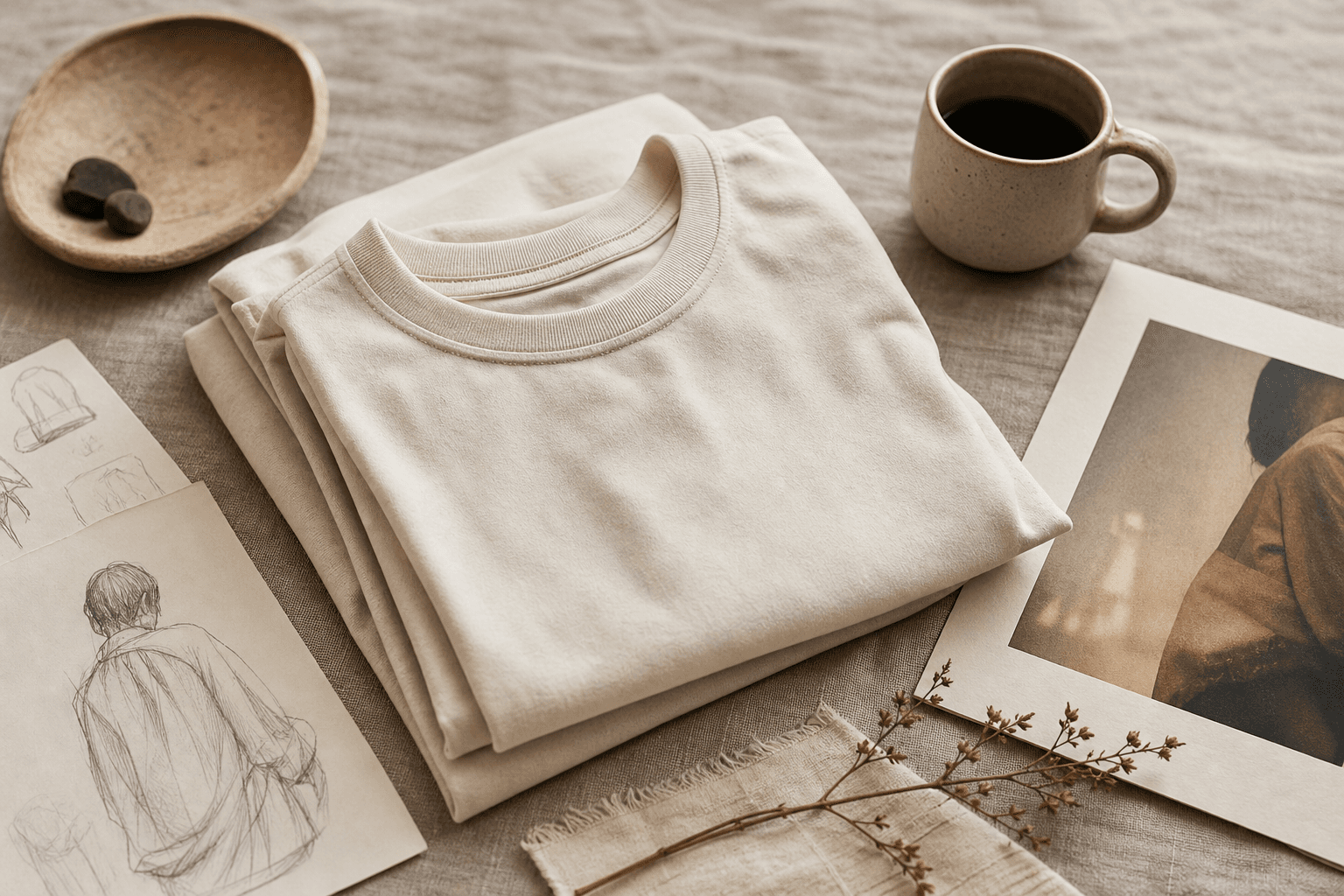
Print on Demand (POD) lets you sell custom-designed products — t-shirts, hoodies, mugs, phone cases, posters — without buying inventory, renting warehouse space, or touching a shipping label. You upload a design, a customer orders it, and the POD supplier prints and ships it directly.
In 2026, the global POD market is valued at over $10 billion and growing at 24% annually. The barrier to entry is near zero — but the barrier to profitability is understanding margins, niching down, and treating design as a volume game.
$10B+
Global POD market
Growing 24% YoY (2026)
$0
Startup cost
Free tiers on all major platforms
15–40%
Profit margin
After platform + production costs
$200–$5K
Monthly income range
Part-time effort (10–15 hrs/wk)
The real economics of POD
The biggest misconception about POD is that it is "passive income." It is not — it is a design-driven e-commerce business with very thin margins per unit. You make money through volume, not per-item markups. Here is what the numbers actually look like:
| Product | Base cost | Typical sell price | Your profit | Margin |
|---|---|---|---|---|
| T-shirt (Printful) | $12.95 | $24.99 | $12.04 | 48% |
| Hoodie (Printful) | $25.95 | $44.99 | $19.04 | 42% |
| Mug (Printify) | $5.82 | $16.99 | $11.17 | 66% |
| Phone case (Gooten) | $7.50 | $19.99 | $12.49 | 62% |
| Poster (Printful) | $8.00 | $22.99 | $14.99 | 65% |
| Tote bag (Printify) | $8.50 | $21.99 | $13.49 | 61% |
These margins are BEFORE advertising
If you drive traffic through paid ads (Facebook, TikTok, Google), your cost per acquisition typically runs $8–$20. That turns a $12 profit into $0 or a loss. Organic traffic (SEO, social media, niche audiences) is where POD sellers actually make money.
Platform comparison: where to sell
There are two main approaches: marketplace-based (sell where buyers already shop) or standalone store (build your own Shopify/Etsy shop). Each has tradeoffs:
| Platform | Type | Traffic source | Fees | Best for |
|---|---|---|---|---|
| Merch by Amazon | Marketplace | Amazon search (free) | Amazon takes ~60% | Passive; no marketing needed |
| Redbubble | Marketplace | Google + internal search | They set margin | Beginners; zero effort traffic |
| Etsy + Printify | Marketplace + POD | Etsy search + SEO | 6.5% + listing fees | Niche designs; handmade aesthetic |
| Shopify + Printful | Own store | You drive all traffic | Shopify $39/mo + txn fees | Brand builders; high margin |
| TeeSpring (Spring) | Marketplace | Social media links | They set base price | Creators with existing audience |
The hybrid strategy that works best
Most successful POD sellers use a multi-platform approach: list designs on Amazon Merch and Redbubble for passive marketplace traffic, then run a Shopify store for higher margins on their best sellers. This hedges risk and maximizes reach.
What actually sells in 2026
Generic motivational quotes on white t-shirts are dead. The POD sellers earning real income in 2026 follow one principle: design for micro-niches with passionate buyers. Here are the top-performing categories:
| Niche | Example | Why it works | Competition |
|---|---|---|---|
| Profession-specific humor | "Trust me, I'm an engineer" mug | People buy identity signals | Medium |
| Dog/cat breed specific | "Proud Golden Retriever Dad" tee | Pet owners are emotional buyers | High |
| Hobby tribes | "I'd rather be fishing" hoodie | Strong community identity | Medium |
| Milestone celebrations | "Class of 2026" designs | Time-limited; urgency built in | Seasonal |
| Pop culture parody | Clever mashups (careful on IP) | Viral potential on social | High risk |
| Niche sports / activities | "Pickleball is life" gear | Fast-growing communities | Low–Medium |
How to start (step by step)
- 1
Pick ONE micro-niche to start
Do not try to sell to everyone. Pick a niche you understand (nurses, hikers, cat owners, software developers) and create 30–50 designs specifically for them. You can expand later.
- 2
Learn basic design tools (free options exist)
Canva (free tier) handles 80% of POD design needs. For more control: Photopea (free Photoshop clone), or Kittl for typography-heavy designs. You do NOT need to be an artist — typography + clever phrases outsell illustrations in most niches.
- 3
List on 2–3 platforms simultaneously
Apply for Merch by Amazon (waitlist — apply now), create a Redbubble account (instant), and connect Printify to Etsy ($0 to start). This gives you marketplace traffic from day one while your Amazon application processes.
- 4
Upload 50–100 designs in your first month
POD is a numbers game early on. Of 100 designs, typically 5–10 will generate consistent sales. You cannot predict which ones — you need volume to find winners. Batch-create: spend weekends designing, weekday evenings uploading and optimizing listings.
- 5
Optimize titles, tags, and descriptions for search
On Amazon and Etsy, SEO is everything. Use tools like Merch Informer or eRank to find keywords with demand but low competition. Your title should read like a search query, not a creative tagline.
- 6
Scale winners, kill losers
After 2–3 months, analyze what sold. Create 10–20 variations of your top sellers (different colors, wording tweaks, new product types). Remove designs with zero sales after 90 days. This compound iteration is how sellers grow from $200 to $5,000/month.
Timeline to first sale
Most POD sellers see their first sale within 2–6 weeks on marketplace platforms (Redbubble, Merch). Etsy tends to be faster (1–3 weeks) if your SEO is good. Standalone Shopify stores take longest because you need to drive your own traffic.
Tools & costs breakdown
| Tool | Cost | Purpose |
|---|---|---|
| Canva Pro | $13/mo (optional) | Design tool with templates |
| Merch Informer | $10/mo | Amazon keyword research |
| eRank | $6/mo | Etsy SEO and keyword research |
| Printify Premium | $29/mo | 20% discount on production costs |
| Placeit by Envato | $15/mo | Professional mockup generation |
| Kittl Pro | $10/mo | Advanced typography and design |
Total monthly cost for a serious POD operation: $0–$80/month. You can start completely free using Canva free tier + Redbubble + manual mockups. Add paid tools only after your first $200–$500 in revenue validates the business.
Pros, cons & who should avoid POD
Why it works
- ✓Zero inventory risk — never buy stock upfront
- ✓Can start with $0 and a free Canva account
- ✓Truly location-independent; works from anywhere
- ✓Scalable — upload once, sell forever (passive after listing)
- ✓Multiple platform strategy diversifies income
- ✓No customer service headaches (platforms handle returns)
Watch out for
- ✗Thin margins — need volume to earn meaningful income
- ✗Extremely competitive on broad designs
- ✗No control over print quality or shipping speed
- ✗Marketplace algorithm changes can tank sales overnight
- ✗Requires ongoing design uploads to maintain momentum
- ✗IP/trademark issues can get accounts banned
Bottom line
Print on Demand is the lowest-risk e-commerce side hustle you can start — zero inventory, zero upfront cost, and products ship themselves. The tradeoff is thin margins and a volume game that requires consistent design output.
The sellers who earn $2,000–$5,000/month treat it like a real business: they pick a tight niche, create 200+ designs over 6 months, optimize for marketplace SEO, and ruthlessly double down on winners. If you enjoy design and are willing to treat the first 3 months as an experiment, POD is one of the best zero-risk entries into e-commerce.
Best suited for: creative people who enjoy design work, anyone interested in e-commerce without capital risk, and side hustlers who want a business that runs while they sleep (after the initial design upload phase).
Estimate your potential income
Use our free calculator to see what print on demand could earn you.
Related Side Hustles
Dropshipping
Run an online store without holding inventory. Suppliers ship directly to your customers.
Etsy Handmade Shop
Sell handmade jewelry, art, candles, or crafts on Etsy. Strong buyer intent and built-in audience for unique goods.
Amazon FBA
Source products, ship to Amazon warehouses, and let them handle fulfillment. Higher capital, higher ceiling.